The SDG Digital Transformation and Sustainability Solutions Lab
Pegasus Capital Advisors launched the SDG Digital Transformation and Sustainability Solutions Lab under a Memorandum of Understanding with the United Nations Development Programme (UNDP) to accelerate progress toward the 2030 Sustainable Development Goals (SDGs). The UNDP joined as the Lab’s Inaugural Partner during its official launch at 2024 Climate Week in New York. The Lab brings together leading academic experts and technologists from institutions such as Stanford and UC Berkeley, alongside impact entrepreneurs, grassroots communities, NGOs, and local and regional governments. By bridging advanced technologies — including AI and data science — with multi-stakeholder roundtables, the Lab facilitates the co-ideation and co-creation of innovative digital solutions, sustainability policies, and new approaches to measuring impact.
This work aligns with Pegasus’ broader mandate to mobilize transformative climate and biodiversity investments, including management of two Green Climate Fund–anchored climate funds across the Global South. Through the Lab, Pegasus and its partners — including UNDP, Green Climate Fund, Africa Adaptation Initiative, and Gold Standard — aim to catalyze innovative sustainability solutions and new methods for impact measurement.
A key focus of the Lab is advancing sovereign, locally governed AI systems in partnership with major institutions in regions including Indonesia, India, Mexico, and Africa. These systems support education, food security, agriculture, sustainable livelihoods, and equitable access to trusted, culturally relevant information. Initiatives include AI-enabled education platforms, climate and agricultural intelligence tools, and data-driven decision-making systems to inform evidence-based policy. The Lab’s collaborations demonstrate how Causal AI can integrate climate intelligence, socioeconomic, and infrastructure data, enabling governments and development partners to identify vulnerabilities, forecast risks, and design targeted adaptation strategies. Together with its partners, the Lab is working to show how sovereign AI, causal AI, and climate intelligence can advance equity, resilience, and sustainable development, while preserving local autonomy and strengthening institutional capacity.












News & Events

4 Dec 2025
The AI Climate Paradox: Reflections from Craig Cogut, Radhika Shah, and Claudia Cogut, Co-Founders of The SDG Digital Transformation Lab
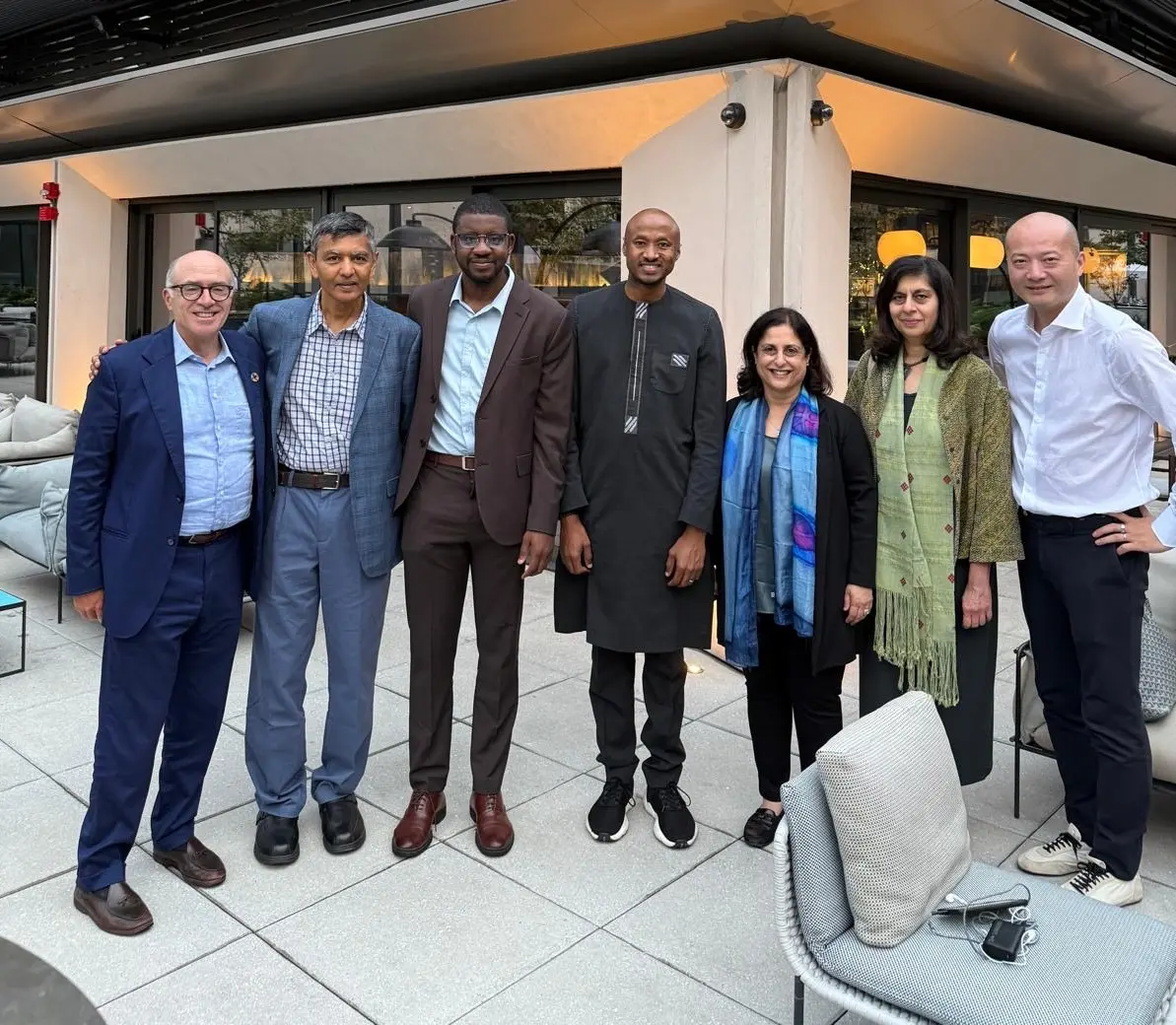
With AI dominating climate conversations at COP and across policy circles, everyone seems convinced that artificial intelligence will solve our biggest environmental challenges. All this attention takes us back to a discussion we had during New York Climate Week that revealed something different: the gap between what's technically possible and what's actually deployable.
Read more
26 Sep 2024
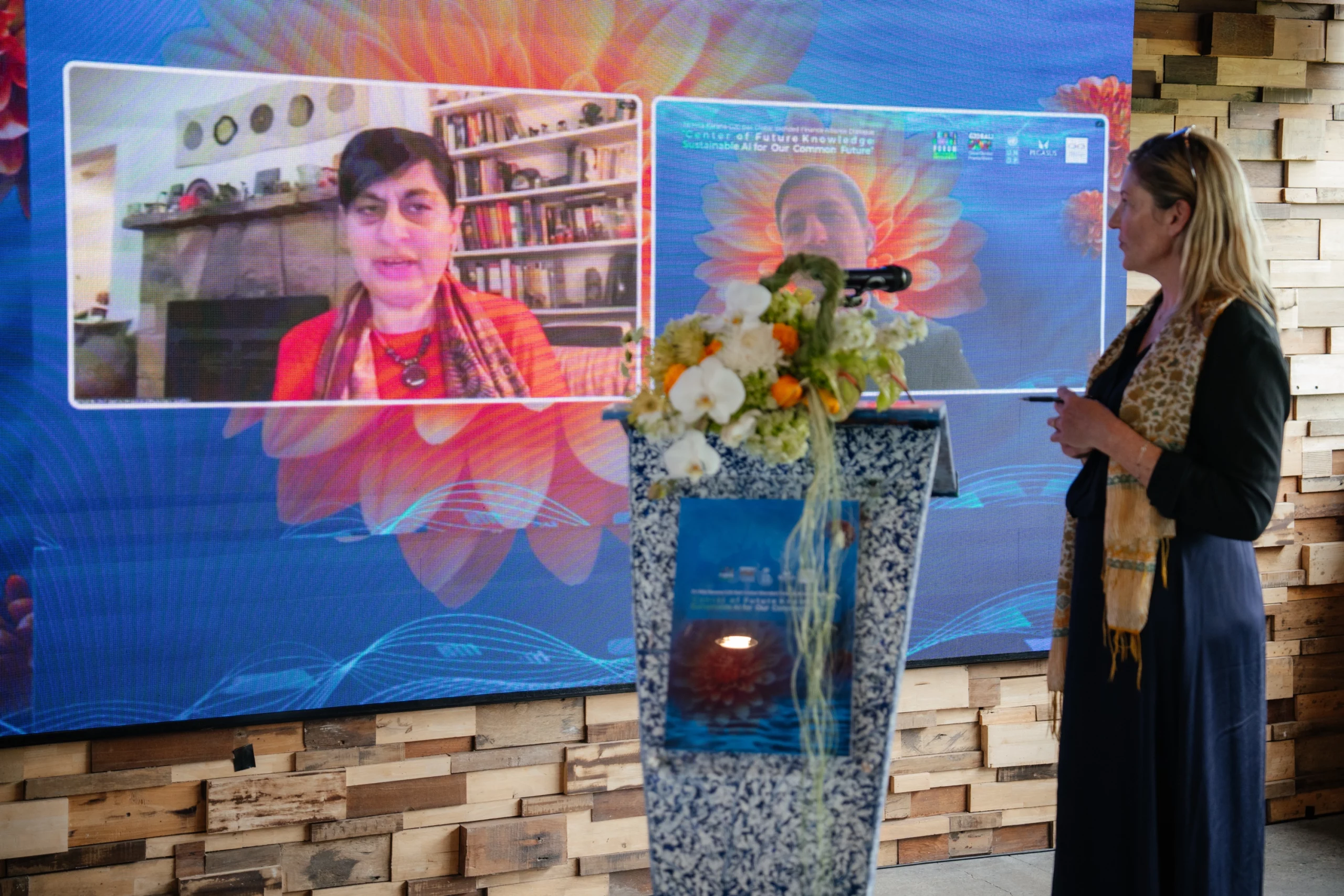
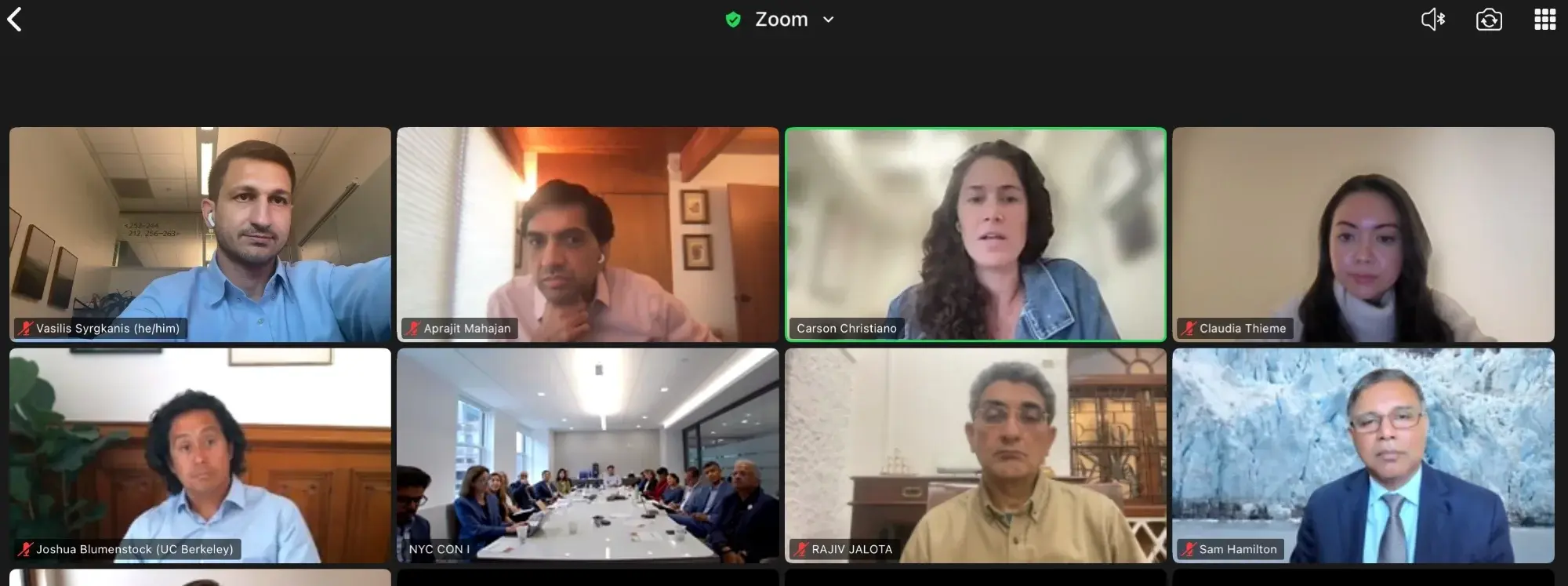
Announcing the launch of the Digital Transformation & Sustainability Solutions Lab Accelerating the UN SDGs at Climate Week 2024 with UNDP as Inaugural Partner
Catalyzing Innovative Technology & Data Science and Informing Digital and Sustainability Policy to Accelerate the Global Goals
Read more
22 Mar 2024
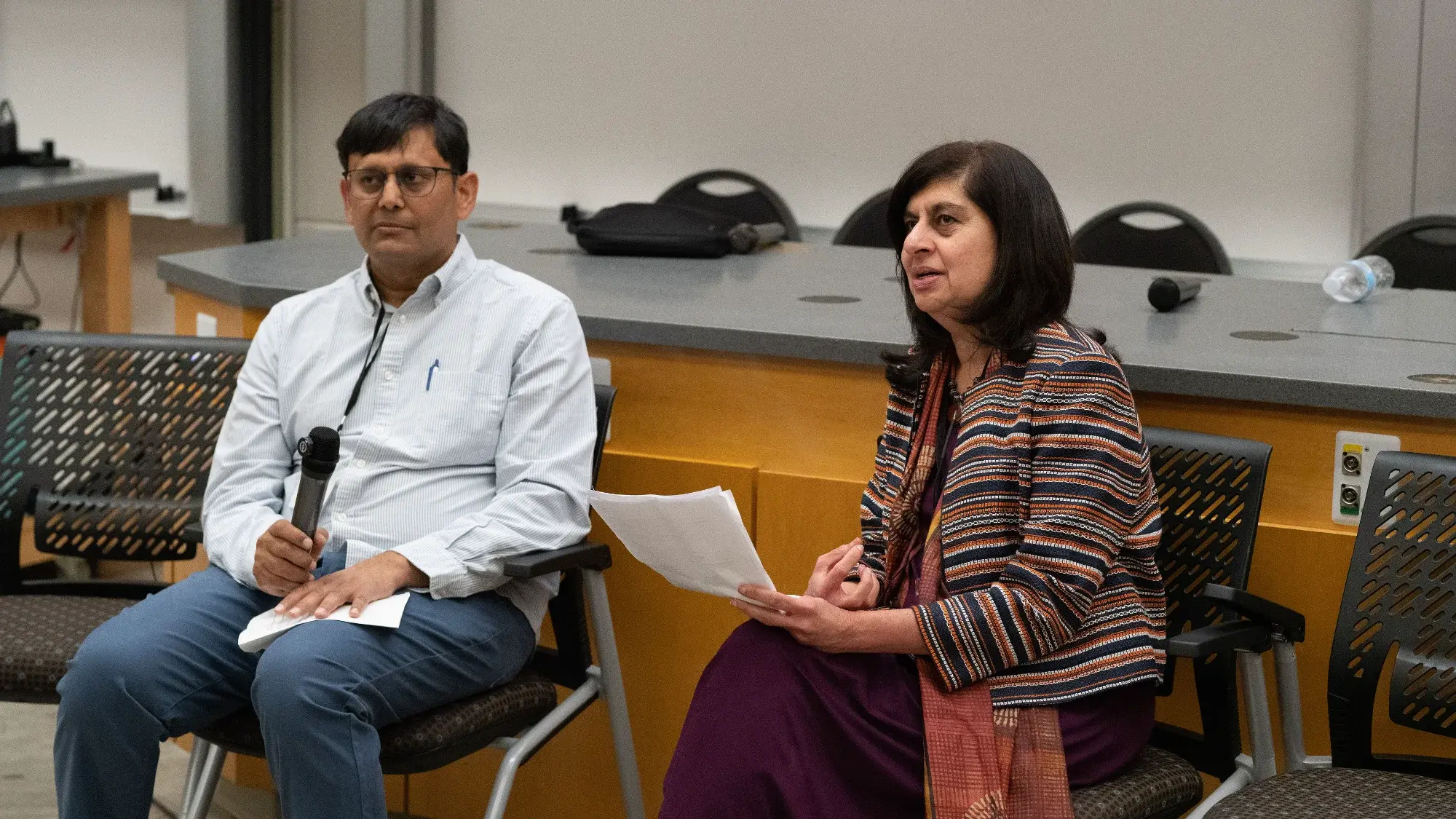
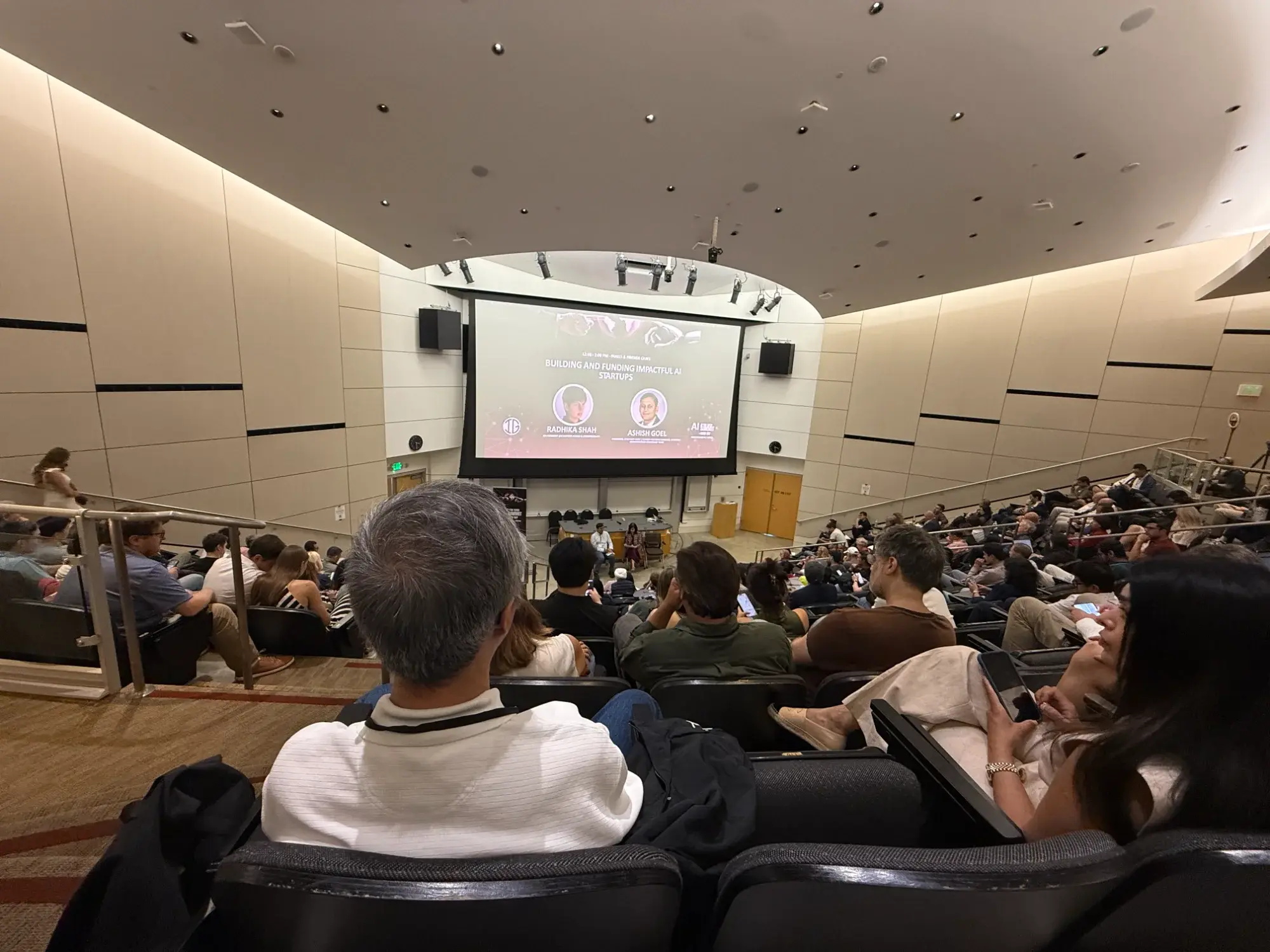
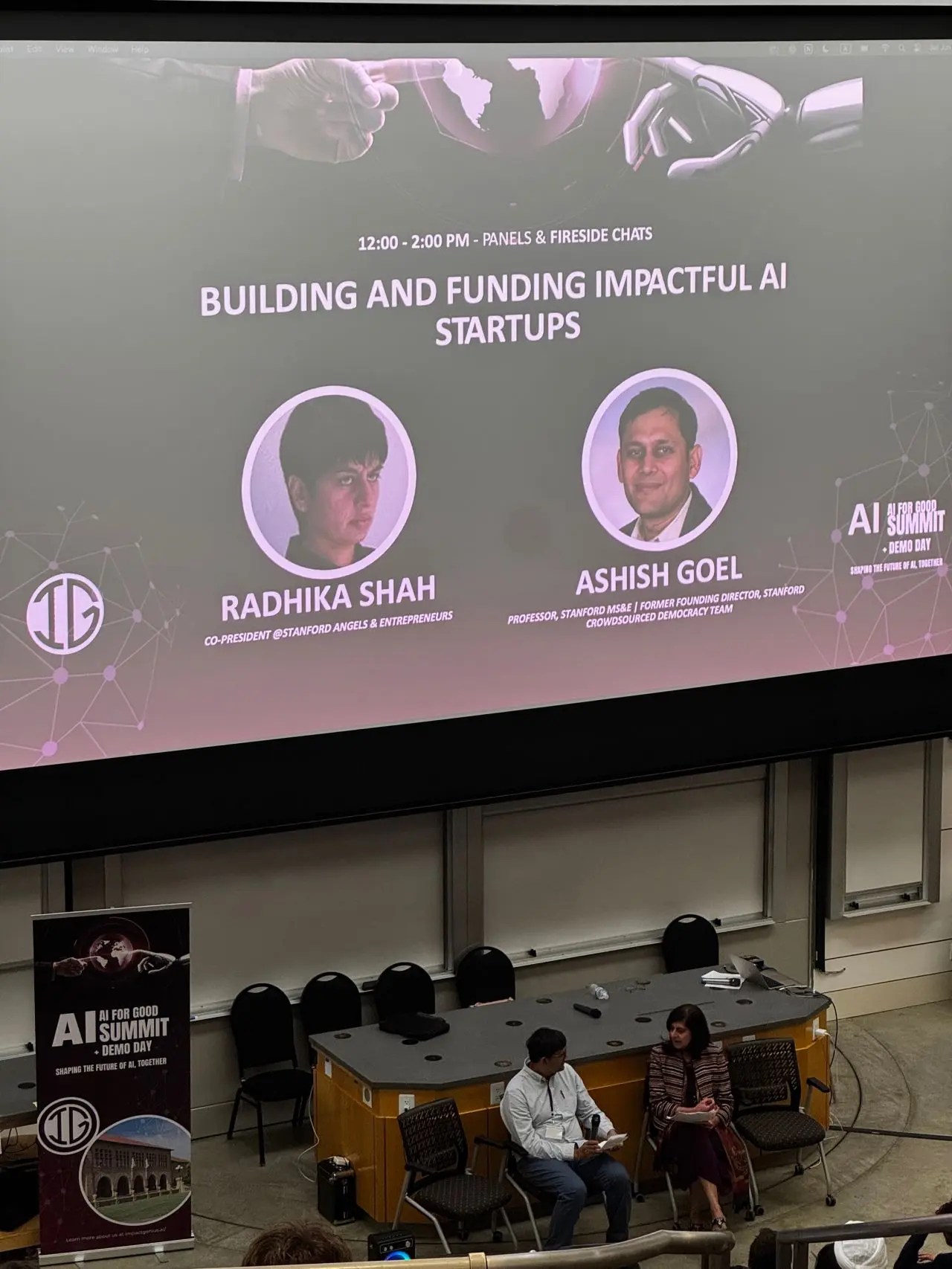
The SDG Digital Transformation & Sustainability Solutions Lab introduced at 2024 Women in Data Science Worldwide (WiDS) Conference at Stanford University by Radhika Shah
Stanford Professor Emerita Margot Gerritsen convened the Women in Data Science Worldwide (WiDS) conference bringing together 400+ women in Data Science from across the world at Stanford University. The SDG Digital Transformation & Sustainability Solutions Lab was introduced by Radhika Shah in her talk on 'Digital Innovation & Data Science as Accelerants of the Sustainable Development Goals' at this conference held on International Women's day.
Read moreLeading the initiative are:
Founding Co-Chairs

Claudia Thieme Cogut
Co-Founder Stanford Alumni in Sustainability
Claudia is cofounder of Stanford Alumni in Sustainability and Initiative Founding Co-Chair of the SDG Digital Transformation and Sustainability Solutions Lab. Claudia has built a career in the luxury retail industry in product marketing and brand management roles at Tiffany & Co. and Estée Lauder as well as at early and mid-stage fashion and jewelry startups. Her work has always intersected sustainability and retail and she continues to be involved in the world of eco-fashion. Claudia holds degrees in International Relations and Psychology from Stanford University.

Craig Cogut
Founder, Chairman & CEO Pegasus Capital Advisors
Mr. Cogut founded Pegasus, a private equity fund, in 1995 and serves as its Chairman and CEO. Through Mr. Cogut’s leadership, Pegasus has focused on sectors influenced by global resource scarcity and the need to combat climate change, as well as on the growth in demands globally for human health and wellness, leading to Pegasus becoming the first U.S. private equity fund manager to be accredited by the Green Climate Fund. In 1990 Mr. Cogut co-founded and was one of the original partners at Apollo Advisors L.P., a position he held for six years preceding the creation of Pegasus. In addition, Mr. Cogut has been an active philanthropist in the fields of improving education, building civil society and championing environmental and health issues. Mr. Cogut currently serves as Chairman of the finance advisory board of the Global Alliance for a Sustainable Planet, a non-profit focused on leveraging private finance for public good in order to achieve sustainable development goals.

Radhika Shah
CoPresident Stanford Angels & Entrepreneurs, Board Member Center for Effective Global Action UC Berkeley
Radhika Shah is Cofounder and Co-Chair of the SDG Digital Transformation & Sustainability Solutions Lab which is bringing together brilliant minds to leverage tech and data science innovation to advance the SDGs. Radhika is a tech-impact investor and deep believer in digital innovation & policy’s role in accelerating the SDGs. She is Co-President of Stanford Angels & Entrepreneurs and along with fellow Stanford alum is catalyzing a new Stanford community anchored Alliance on Artificial Intelligence for the SDGs. Radhika is a staunch believer in role of policy and community to accelerate social change, is on the board of the Center for Effective Global Action (CEGA), U.C. Berkeley and Impact Experience and is Founding Co-Chair of the United Nations Joint SDG Fund Breakthrough Alliance which leverages tech, media and markets to advance sustainable futures and create opportunities for all.
Influenced by Gandhian philosophy, Radhika cares deeply about sustainability, human dignity, and women’s socio-economic empowerment. She is and has been an advisor to Illumen Capital, the former SDG Philanthropy Platform, ATREE USA which helps communities protect and restore ecosystems they live in, and Benetech & MakerGhat in the education transformation space. Radhika has been a member of the Center for Global Development study group on AI, Technology Comparative Advantage & Development Prospects and participated in co-designing a Stanford study, co-authored peer-reviewed-papers, and had articles published in Proceedings of the National Academy of Sciences, the UN, Thomson Reuters, and other national/regional media. She holds a Masters in Computer Science from Stanford University and an MBA from U.C. Berkeley.
In partnership with:
Global Executive Advisory Board

Gina McCarthy
Gina McCarthy, former US EPA Administrator and first White House National Climate Advisor
The first-ever White House National Climate Advisor and a former U.S. EPA Administrator, Gina McCarthy is one of the nation’s most respected voices on climate change, the environment, and public health. As head of the Climate Policy Office under President Biden, McCarthy’s leadership led to the most aggressive action on climate in U.S. history, creating new jobs and unprecedented clean energy innovation and investments across the country. Her commitment to bold action across the Biden administration, supported by the climate and clean energy provisions in the Bipartisan Infrastructure Law and the Inflation Reduction Act, restored U.S. climate leadership on a global stage and put a new U.S. national target to cut greenhouse gas emissions by 50-52 percent below 2005 levels by 2030 within reach.
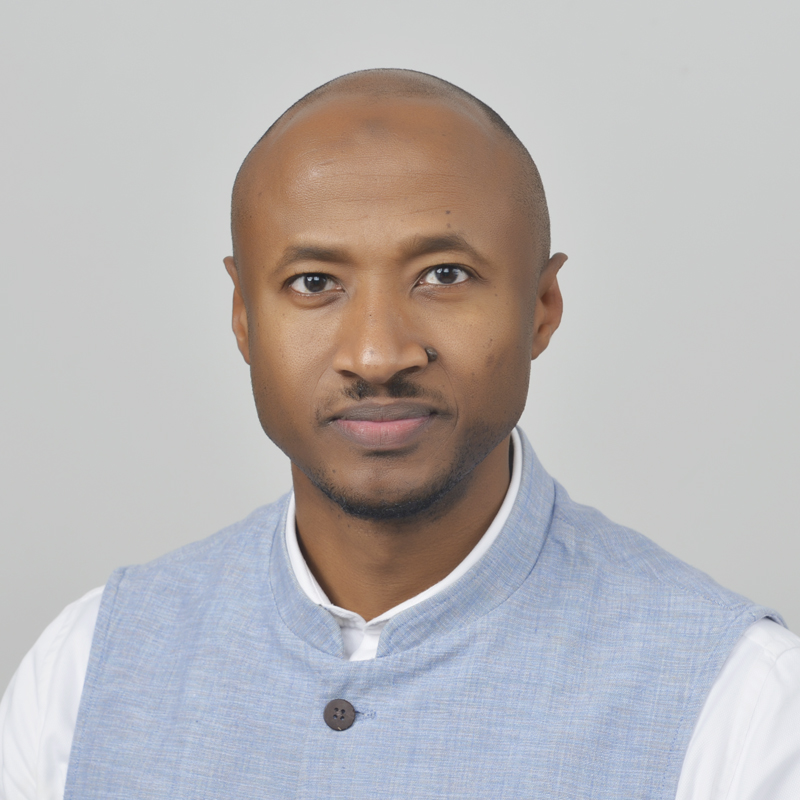
Seyni Nafo
Ambassador, Africa Adaptation Initiative Coordinator and former Presidential Climate Envoy (Mali)
Ambassador Seyni Nafo has made significant technical contributions to Africa’s sustainable development agenda over the last decade; particularly in fighting climate change, promoting renewable energy and mobilization resources.
Amb. Nafo was elected as the Green Climate Fund (GCF) co-chair for 2025. He was invited by UN Secretary General Guterres to join the UNSG High-Level Advisory Group on Climate Action. From 2016 to 2021 Amb. Nafo served as Presidential Climate Envoy of Mali Republic.
Since 2019, Amb. Nafo heads the African Union’s Africa Adaptation Initiative (AAI) Technical Support Unit; launched in 2015 (COP21, Paris) by African Heads of States to accelerate the implementation of concrete climate adaptation action on the ground. He is the Secretary General of the Adaptation of the African Agriculture (AAA) since its inception in 2016 and Goodwill Ambassador in charge of resource mobilization for the African Union Green Great Wall Initiative (GGWI).
Academic Faculty Advisory Board

Ato Quayson
Department Chair of African and African American Studies at Stanford University, Professor in Interdisciplinary Studies and Professor of English
Ato Quayson is the Jean G. and Morris M. Doyle Professor in Interdisciplinary Studies and Professor of English. He studied for his undergraduate degree at the University of Ghana and took his Ph.D. from the University of Cambridge, after which he held a Junior Research Fellowship at Wolfson College, Oxford before returning to Cambridge to become Reader in Commonwealth and Postcolonial Literature in the Faculty of English. He was also Director of the Centre for African Studies and a Fellow of Pembroke College while at Cambridge. Prior to Stanford he was Professor of African and Postcolonial Literature at New York University and Professor of English and inaugural Director of the Centre for Diaspora and Transnational Studies at the University of Toronto. In 2016 he was appointed University Professor at the University of Toronto, the highest distinction that the university can bestow.
Professor Quayson has served as President of the African Studies Association and is an elected Fellow of the Ghana Academy of Arts and Sciences, the Royal Society of Canada, the British Academy, and of the American Academy of Arts and Sciences.

Margot Gerritsen
Professor Emerita at Stanford University in Computational Mathematics and Energy Science and Engineering, founder and current Executive Director of Women in Data Science Worldwide
Margot Gerritsen is a Professor [Emerita] at Stanford University in Computational Mathematics and Energy Science and Engineering, and the founder and current Executive Director of Women in Data Science Worldwide. Margot’s expertise is in designing computational tools for a wide range of applications, including energy resources, ocean modeling, sustainability, and data science.
Born and bred in the Netherlands, Margot left the country in 1990 in search of sunnier and hillier places and after some time in Colorado she completed her PhD in Scientific Computing and Computational Mathematics at Stanford in 1996 with a focus on Computational Fluid Dynamics.
Her first academic position was in New Zealand at the University of Auckland. In 2001, Margot returned to Stanford as faculty member in Energy Science and Engineering. From 2010-2018, Margot was the director of ICME, the Institute for Computational and Mathematical Engineering at Stanford, and from 2015 – 2020, the Senior Associate Dean for Educational Initiatives in the School of Earth Sciences. Margot is a Fellow of the international Society of Industrial & Applied Mathematics and holds honorary doctorates from Uppsala University in Sweden and the University of Eindhoven in the Netherlands.
Margot now lives in Bend, Oregon, with her husband Paul and dog Millie. In her spare time, she loves hiking and kayaking, riding bikes and motorcycles with Paul, reading mysteries, gardening, and visiting her son Callum who lives and works in Seattle.

Ashish Goel
Professor of Management Science and Engineering and (by courtesy) Computer Science at Stanford University
Ashish Goel is a Professor of Management Science and Engineering and (by courtesy) Computer Science at Stanford University, and a member of Stanford’s Institute for Computational and Mathematical Engineering. He received his PhD in Computer Science from Stanford in 1999, and was an Assistant Professor of Computer Science at the University of Southern California from 1999 to 2002. His research interests lie in the design, analysis, and applications of algorithms; current application areas of interest include social networks, participatory democracy, Internet commerce, and large scale data processing. Professor Goel is a recipient of an Alfred P. Sloan faculty fellowship (2004-06), a Terman faculty fellowship from Stanford, an NSF Career Award (2002-07), and a Rajeev Motwani mentorship award (2010). He was a co-author on the paper that won the best paper award at WWW 2009, an Edelman Laureate in 2014, a co-winner of the SigEcom Test of Time Award in 2018, and a recipient of the 2023 Distinguished Alumnus Award from IIT Kanpur. Professor Goel was a research fellow and technical advisor at Twitter, Inc. from July 2009 to Aug 2014. He has also served as a technical advisor to Coinbase Inc, Infosys Inc, and to the Chief Economic Advisor of India.

Vaughan Pratt
Professor of Computer Science, Emeritus Stanford University
Vaughan Pratt is Professor Emeritus of Computer Science at Stanford University. He obtained a double honours degree in pure mathematics and physics from the University of Sydney, and his Ph.D. from Stanford University under Donald Knuth. He taught at MIT from 1972 to 1980 and subsequently at Stanford University until his retirement in 2000. After a decade of work on pocket workstations and autonomous vehicles, in 2010 his interests turned to geophysics with a focus on global environmental change. He has made a number of presentations in this area at the annual fall meetings of the American Geophysical Union. His current research addresses the limited funds available for slowing the rate of rise of atmospheric CO2, arguing that $80 per ton of CO2 removed from the atmosphere as contemplated by America’s Inflation Reduction Act is too expensive to have any appreciable impact. His present research is focused on methods focused cost-effectively removing CO2 from the atmosphere.

Soledad Prillaman
Assistant Professor of Political Science at Stanford University
Soledad Artiz Prillaman is an Assistant Professor of Political Science at Stanford University and the faculty director of the Inclusive Democracy and Development Lab. She received a Ph.D. in Government at Harvard University and a B.A. in Political Science and Economics from Texas A&M University. Her research lies at the intersections of comparative political economy, development, and gender, with a focus in South Asia. She is the author of an award-winning book, The Patriarchal Political Order, and has published numerous academic articles on issues of women’s empowerment and political economy in India.
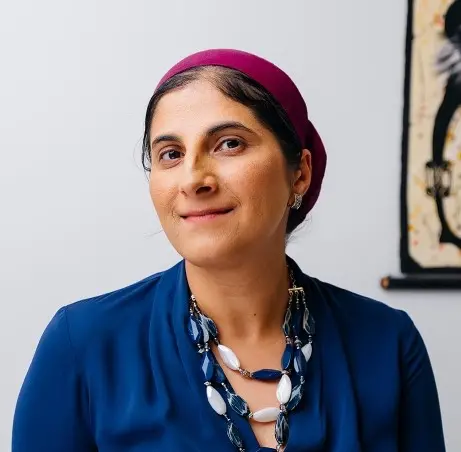
Supreet Kaur
Associate Professor in the Department of Economics at UC Berkeley
Supreet Kaur is an Associate Professor in the Department of Economics at UC Berkeley. She holds a Ph.D. in Political Economy and Government (Department of Economics) from Harvard University, an M.P.A. in International Development (MPA/ID) from the Harvard Kennedy School, and a B.S. in Operations Research from Columbia University. Supreet’s research lies at the intersection of development, behavioral, and labor economics. Her work seeks to further our understanding of the role of labor markets in the persistence of poverty—with a focus on unemployment, wage structure, and the psychology of poverty.
Supreet is a faculty affiliate at UC Berkeley’s Center for Effective Global Action, where she serves as a Scientific Director for the Psychology and Economics of Poverty Initiative and on the Faculty Advisory Committee. She is a recipient of a National Science Foundation CAREER Award (2019-2024), Sloan Research Fellowship (2018-2020), the CESifo Distinguished Affiliate Award in Behavioural Economics (2015) and the David A. Wells Prize by the Harvard Economics Department (2012).

Vasilis Syrgkanis
Assistant Professor in Management Science and Engineering and (by courtesy) in Computer Science and Electrical Engineering, in the School of Engineering at Stanford University
Vasilis Syrgkanis is an Assistant Professor in Management Science and Engineering and (by courtesy) in Computer Science and Electrical Engineering, in the School of Engineering at Stanford University and a member of the Institute for Computational and Mathematical Engineering. His research interests lie in the areas of machine learning, causal inference, econometrics, online and reinforcement learning, game theory, mechanism design and algorithm design. Until August 2022, he was a Principal Researcher at Microsoft Research, New England, where he was a member of the EconCS and StatsML groups. During his time at Microsoft, he co-led the project on Automated Learning and Intelligence for Causation and Economics (ALICE) and was a co-founder of EconML, an open-source python package for causal machine learning. He received his Ph.D. in Computer Science from Cornell University. His research has received best paper awards at several top tier machine learning and AI conferences (EC, NeurIPS, COLT) and he is the recipient of a 2022 Amazon Research Award and of the 2023 Bodossaki Distinguished Young Scientist award. He has published more than 70 scientific papers and co-authored the book “Applied Causal Inference Powered by ML and AI.”
AI and Digital Innovation Advisory Board
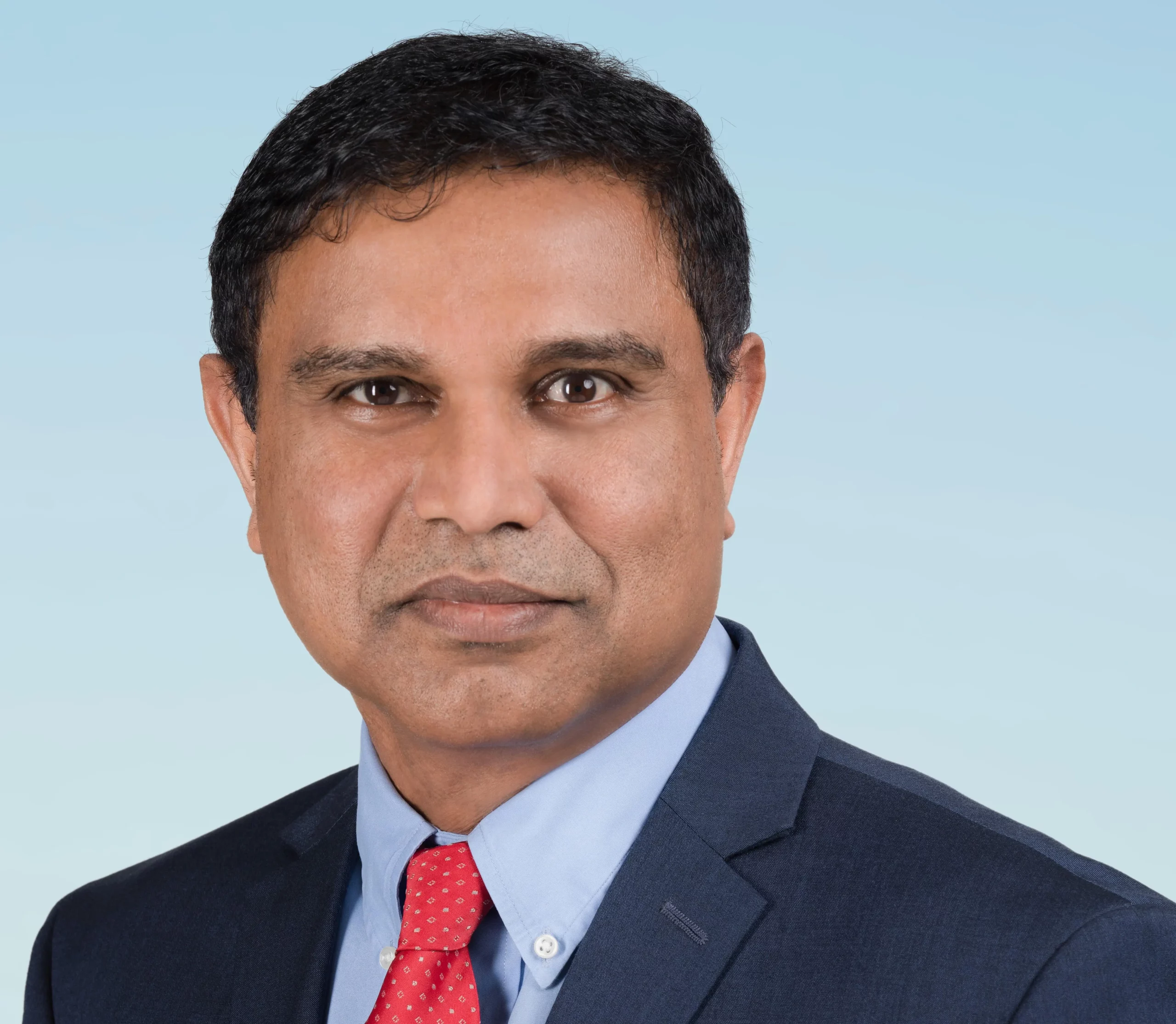
Sam Hamilton
Former Senior Vice President and Head of Data and AI at Visa
Sam Hamilton is a global data and AI executive who brings over three decades of experience architecting the large-scale, high-trust platforms that underpin the digital economy. Having held leadership roles at Visa, PayPal, and Yahoo, Sam has built a career on scaling secure, real-time systems serving millions of users globally.
Most recently, as Senior Vice President and Head of Data and AI at Visa, Sam led the modernization of the company’s analytics, AI, and Generative AI stacks. His focus extended beyond technology to include the crucial integration of governance and ethical principles, ensuring that all AI was operationalized responsibly and fairly at a global scale. Earlier roles as VP of Data at PayPal and VP Engineering/CTO across multiple companies built his foundation in high-scale, real-time systems.
Sam has been recognized on the Observer AI Power Index, Constellation Research AI 150, Haute Living AI 100, and holds multiple patents in digital and mobile real-time intelligence, analytics, AI and GenAI. He now advises boards, investors, and mission-driven organizations on responsible AI, sustainable digital ecosystems, and data-driven growth, helping leaders translate cutting-edge AI into trusted capabilities that serve both business and society.
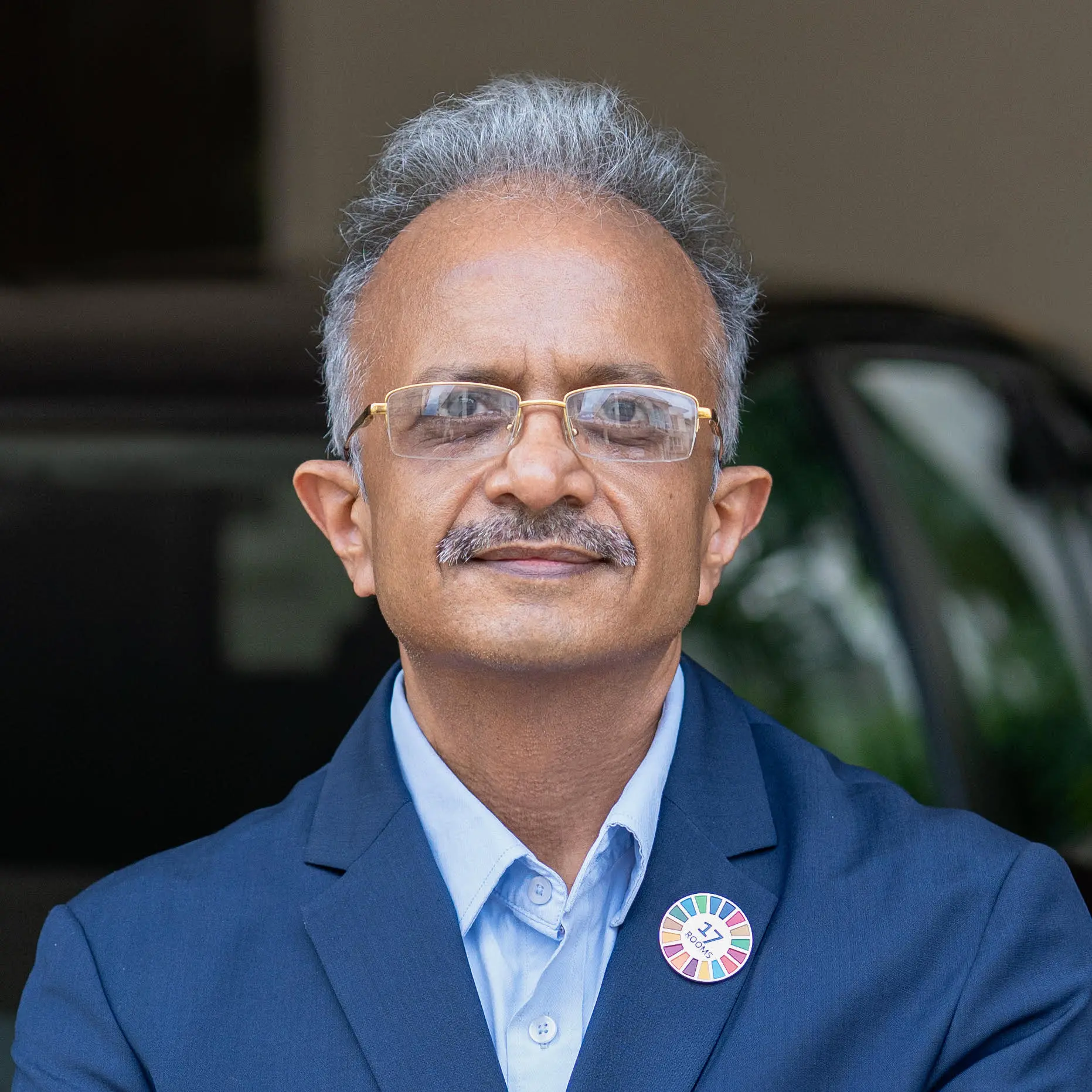
Sanjay Purohit
CEO and Chief Curator of Centre for Exponential Change, former EVP Infosys
Sanjay Purohit is CEO and Chief Curator of Centre for Exponential Change. He has 35+ years of diverse experience spanning corporate and development sectors. Since 2016, he has been co-creating Societal Thinking, an approach to resolve complex societal challenges with speed, at scale, sustainably. He has engaged with 500+ Change Leaders across 20+ countries with Societal Thinking in domains such as climate action, education, gender equity, healthcare and livelihoods. The core ideas of Societal Thinking are encapsulated in his Think Books. He is mentor and co-founder of apurva.ai, a platform to amplify the collective wisdom of communities with AI. He serves on the Board of Advisors of Don Norman Design Award that champions humanity centred design, the UN DPI Safeguards Initiative, and Fundamentum, a scale investment fund.
Philanthropic Advisory Board
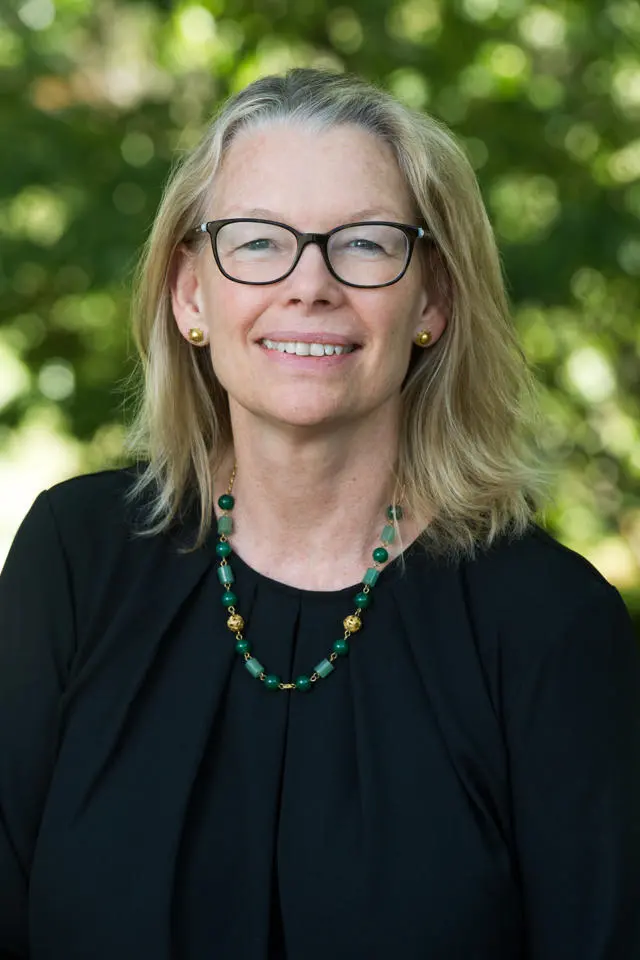
Heather Grady
Chief Strategy & Sustainability Officer, Rockefeller Philanthropy Advisors
Heather Grady is the Chief Strategy & Sustainability Officer in the San Francisco team of Rockefeller Philanthropy Advisors. She leads on funder collaboratives and oversees a portfolio of more than 40 sponsored projects in environment, climate change and cross-cutting issues including migration, public interest media, and democracy. Heather also advises philanthropists and foundations on issues from grantee selection to governance of funder collaboratives. She co-founded and leads the Shifting Systems initiative that encourages funders to place longer-term, more adaptive funding with grantee partners to support them to foster systemic impact. Her perspectives and practice have been influenced by two decades living and working in Asia, Africa, and the Middle East. She previously worked with the Rockefeller Foundation, Realizing Rights: The Ethical Globalization Initiative, and Oxfam Great Britain. Heather has co-authored two books and numerous reports, articles and chapters focusing primarily on topics in philanthropy and assessment. She has a Bachelor of Arts from Smith College and a Master of Public Administration from Harvard University. She serves on the boards of several organizations including the Business and Human Rights Resource Centre, Doc Society, the Wildlife Justice Commission, Dropbox Foundation, and WINGS.
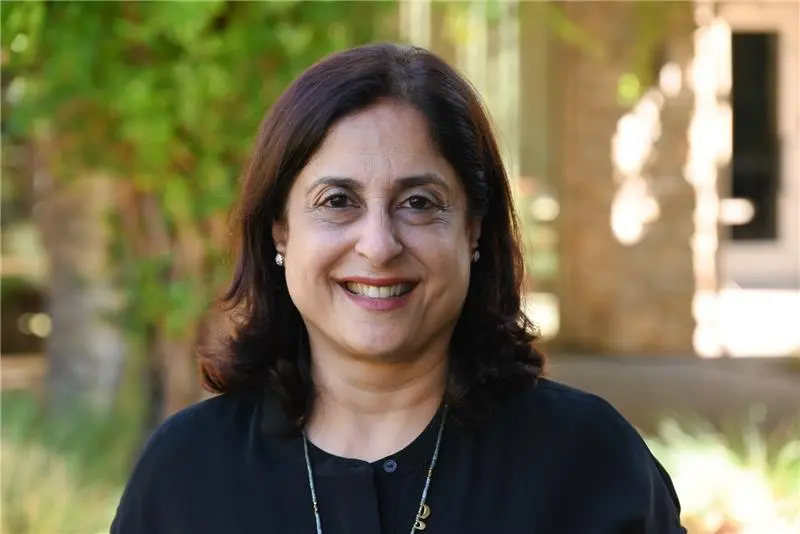
Muneerah Merchant
Chief Executive Officer of the Aga Khan Foundation USA.
Muneerah is the Chief Executive Officer of the Aga Khan Foundation USA.
Muneerah previously served as the Chief of Advancement and Partnerships at the Children’s Health Council, a leading organization in comprehensive and integrated services for learning differences and mental health. Prior to that, she was the Vice President of Philanthropy at Khan Academy, one of the world’s leading online education providers; the Director of Advancement at The Nueva School; and the Executive Director of Palo Alto Partners in Education. Before the nonprofit sector, Muneerah had a successful career as a management consultant, ultimately serving as a senior principal of The Parthenon Group.
Muneerah holds a BA in Math and Electrical Engineering from Smith College, a MSc in Industrial Engineering from Northwestern University, and an MBA from Harvard Business School.
Strategic Advisors

Paola de Almeida
Operating Advisor, Pegasus Capital Advisors and Former Chief Innovation Officer, Mars, Inc.
Paola is a seasoned strategy, innovation and transformation officer with more than 20 years in the CPG and consulting industries, now focused on value creation, mutual sustainable solutions and the frontiers and resilience of human systems. For the last 4 years, she was the Chief Innovation Officer for Mars, Inc and is well recognized for her fluent ability to bring the outside in, articulating the next generation of needs and tactical solutions, which can be seen throughout her career at Mars, having spent it developing and implementing strategic plans, M&A integration, insights and intelligence analysis, global governance methodology, next generation capabilities, and managing external partnerships, including the United Nations (Food and Agriculture Organization, World Food Programme and World Health Organization), World Bank and African Union. Her current focus is in helping broad acceleration and scale up of Sustainable Development Goals solutions across multiple sectors and stakeholders.

Bradley Busetto
Co-founder of SDG Impact Japan
Bradley is the co-founder of SDG Impact Japan, a sustainable investment fund. Bradley is a leader in sustainable finance and the SDGs, and has established a global reputation for scaling digital transformation and SDG-linked innovation, including solutions to climate change and food security. He led sustainable investment strategy for the United Nations and served as the inaugural director of UN’s Global Centre on Tech, Innovation and Sustainability where he scaled national digital responses to the COVID pandemic. He also drove the creation of the world’s largest network of innovation labs (over 100 countries), and led the creation of the UN’s catalytic SDG Fund. Bradley serves on the boards of several companies and organizations, and is a frequent public speaker. He graduated with honors from Stanford University, where he also earned a master’s degree in philosophy.

Jason Gagnon
Senior Development Economist and Policy Leader OECD Development Centre
Jason Gagnon is a senior development economist and policy leader with over 15 years of experience at the intersection of migration, development, and labour markets. He currently serves as Head of the Migration and Skills Unit at the OECD Development Centre and is a visiting scholar at Stanford University’s King Center on Global Development. His work focuses on the development impact of human mobility, with expertise spanning integration, return migration, remittances, diaspora engagement, and skills mobility. He has led flagship reports, managed international dialogues, and advised governments and UN partners on evidence-based strategies linking migration to sustainable development. A dual Canadian and French national, he holds a PhD in economics from the Paris School of Economics and has held an academic role at Sciences Po.

Patricia Purcell
Senior Advisor of Sustainable Finance at UNDP
Patricia brings more than 15 years experience in the public and private sectors supporting sustainable development and investments in Emerging Markets & Developing Economies. In her current role at the United Nations Development Programme (UNDP), Patricia advises on strategic partnerships and designing and executing blended finance solutions to mobilize private capital for climate resilience and sustainable infrastructure. Patricia has authored/co-authored several publications, articles and books on climate change, smart cities, and sustainable finance. She holds a Master’s in Public Policy from the University of York and a degree in AI from the University of Oxford Saïd Business School. In addition to serving on the Advisory Board of the SDG Digital Transformation Lab, Patricia is a Board Member of Kelp Ark, the leading global institution dedicated to preserving ocean biodiversity through seed-banking and genetic conservation.
Africa Executive Advisory Committee

Tralance Addy
Co-founder and CEO, Yaro Capital, Accra, Former Executive Director, Stanford Institute for Innovation in Developing Economies
Tralance Addy is a co-founder and CEO of Yaro Capital, a newly formed venture capital firm focusing on scalable potential-high-impact enterprises in Sub-Saharan Africa. He was previously the first executive director of the Stanford Institute for Innovation in Developing Economies (Stanford|SEED). He also is the founder and former President of Plebys International, LLC, a California-based investment and venture management company. He simultaneously served as CEO of WaterHealth International Inc. (WHI), a Plebys venture whose transformation he led, from a technology offering into a path-breaking company providing access to affordable clean water to more than 5 million people in urban and underserved rural communities in Africa and Asia. He has been recognized for his innovation and philanthropic work and, in 2007, Inc Magazine named him “Do Good Capitalist of the Year.”

Keith Agoada
CEO & Founder of Producers Trust
CEO & Founder of Producers Trust, which is building a leading network of agricultural producers and working to build market linkage software to connect value chains more directly and efficiently. The data is being organized to bring greater transparency and visibility to consumers in an effort to connect shared values. As CEO, Keith plays a leadership role in setting the vision, creating the strategic plans, and working to execute all facets of the Producers Market ecosystem including the market linkage platform, StoryBird product, and media entity.

Kwaku Sakyi-Addo
Strategic communications advisor, Government of Ghana, Former Chair, National Communications Authority of Ghana, former BBC & Reuters country correspondent
Kwaku Addo Sakyi-Addo is strategic communications advisor, Government of Ghana; former Chair, National Communications Authority, & former BBC & Reuters country correspondent. He chairs the board of the Minerals Development Fund, a statutory body responsible for supporting social projects in mining communities, and serves on the Advisory Board to the Minister of Lands and Natural Resources in Ghana. Kwaku is Chair of the Advisory Council of the International Institute for Advanced Studies at the University of Ghana, Legon, and a director of Databank Foundation, the charity arm of Databank Financial Services, Ghana’s pioneer assets management firm. He served as Chief Executive of the Ghana Chamber of Telecommunications from 2011 until early 2017 when he was appointed Chairman of the National Communications Authority, the telecom industry regulator.

"The UNDP Istanbul Center is excited to collaborate on the SDG Digital Transformation and Sustainability Solutions Lab to catalyze digital transformation and accelerate solutions to the Sustainable Development Goals (SDGs) by engaging brilliant young minds from the Global South and the Global North with academics and local partners from around the world."
Sahba Sobhani, Director of UNDP IICPSD
“We look forward to collaborating with the SDG Digital Transformation Lab to bring the power of rigorous academic research and new evidence-based digital insights and AI tools to advance systemic change around food security in Africa”
Carson Christiano, Executive Director, Center for Effective Global Action at UC Berkeley

“The Global Center for Sustainable Digital Finance at Stanford University is looking forward to collaborating on this exciting new initiative and jointly entering new ground with innovative, technology based ways to sustainability.”
Thomas Puschmann, Executive Director of the Global Center for Sustainable Digital Finance by Stanford University, University of Zurich and KAIST